Health Archives | صفحه 17 از 58

How Does Stress Affect Your Immune System
Your body’s stress response can trigger several physiological changes, which can affect immune function. Why you’re stressed and how long you’re stressed can impact how your immune system responds

Signs of Stress
You know when you’re experiencing stress. After your boss comes down hard on you, or you get stuck in a particularly bad rush hour commute, you feel the effects

What Are the Physical Symptoms of Stress, and Are They Manageable
Although most people associate stress with mental health, it can also cause a wide range of physical symptoms. These include stomach pain, headaches, skin changes, and more

Can Antihistamines Treat Stress-Induced Rashes
Stress triggers histamine release, which can cause itching, redness, and hives in some people

Yes, Stress Can Cause Headaches or Migraine Attacks: What to Know
Stress may trigger tension-type headaches or migraine attacks, research shows. To keep the pain at bay, treatments, like ibuprofen, cognitive behavioral therapy, and mindfulness or relaxation practices, may help
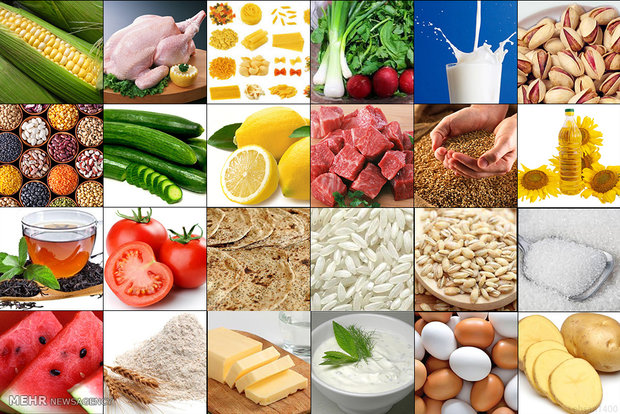
Some Foods That Are High in Vitamin K
You can get dietary vitamin K from vegetables, including leafy greens, and from animal sources, including some dairy products and types of meat

Some Foods High in Vitamin A
Certain vegetables and fruits, as well as animal products, are good sources of vitamin A. This includes kale, spinach, mango, and guava, as well as beef, chicken, fish, cheese, and eggs

Can You Eat Pomegranate Seeds
Pomegranate seeds are edible. They contain healthy nutrients and antioxidants and may have anti-inflammatory properties. But if you have chronic constipation, eating a lot could cause an intestinal blockage

Can You Eat Sweet Potato Skins, and Should You
Sweet potato skins contain a range of key nutrients. They’re safe to eat as long as you do some basic prep
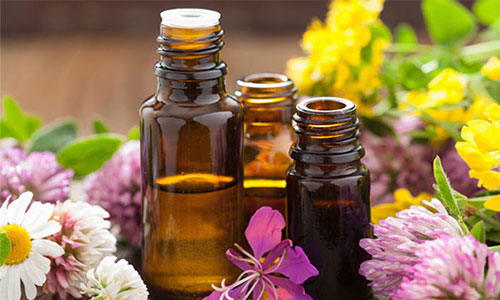
Can Essential Oils Relieve an Ear Infection
Many people are turning to essential oils as a way to help clear up an ear infection naturally, but this treatment is not approved by the FDA. Here’s what you need to know about using essential oils for ear infections