What Happens to Your Liver When You Take Turmeric Supplements Every Day
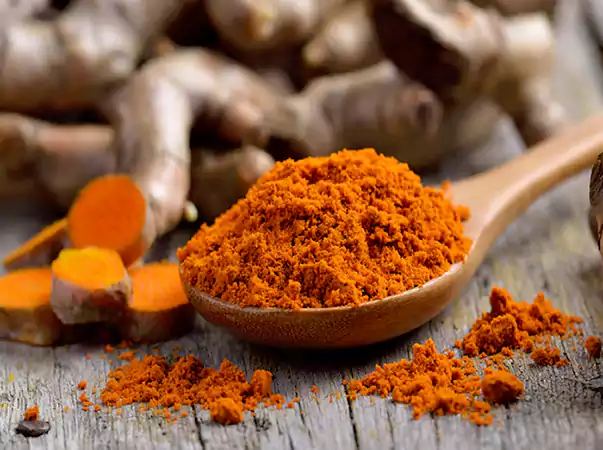
Turmeric isn’t inherently bad for your liver, but taking too much—especially in supplement form—can pose a risk. Used for centuries in cooking and traditional medicine, turmeric is a popular ingredient in supplements marketed for everything from joint support to liver health.
Too Much Turmeric May Damage Your Liver
Despite their possible benefits, turmeric and curcumin supplements are not risk-free:1
• There have been at least dozens of reports of liver damage tied to turmeric or curcumin supplements, including cases of non-infectious liver inflammation (hepatitis) and cholestasis
• Most people recovered after stopping the supplement, but some required hospitalization, and at least one person has died from turmeric-related liver failure.4
• The Drug-Induced Liver Injury Network (DILIN) reported that out of 2,392 suspected liver injury cases studied from 2004 to 2022, 10 were linked to turmeric supplements.4 In these cases, people used turmeric for an average of 86 days before symptoms of liver injury appeared. The most common adverse effects were jaundice, abdominal pain, and nausea.
• Notably, most of these cases involved high-dose curcumin supplements, some of which contained added components that significantly enhanced the absorption of curcumin (e.g., piperine, lipids). Enhanced absorption may sound like a good thing, but it can also raise the risk of liver injury by increasing the amount that reaches your bloodstream.4
• There are also cases of turmeric or curcumin supplements being contaminated with heavy metals (e.g., arsenic, lead), which can hurt your liver health.56
• It’s essential to choose your products wisely, follow the guidelines provided by the product’s manufacturer, and consult with your healthcare provider before using any supplement.
Turmeric vs. Curcumin
• Turmeric is a bright yellow spice derived from the Curcuma longa plant and is commonly used in cooking.
• Turmeric’s active compound, curcumin, makes up only about 3% of the root.7
• Concentrated curcumin supplements offer a stronger effect.
• Both come as capsules, powders, teas, and tinctures, and some include piperine to boost absorption.4
Turmeric Can Support Liver Health in Appropriate Amounts
While it carries risks, curcumin is also widely recognized for its anti-inflammatory and antioxidant properties:
• These properties may help reduce oxidative stress and inflammation, which are key drivers of many liver diseases, including non-alcoholic fatty liver disease (NAFLD), now referred to as metabolic dysfunction–associated steatohepatitis (MASH).7
• Curcumin appears to lower inflammatory markers and may help regulate liver enzymes involved in the body’s detoxification processes.
• In animal models, turmeric components have shown potential in reducing liver scarring (fibrosis• ) and improving liver repair.8




ارسال دیدگاه
مجموع دیدگاهها : 0در انتظار بررسی : 0انتشار یافته : 0