Former finance minister highlights economic concerns of martyred Leader
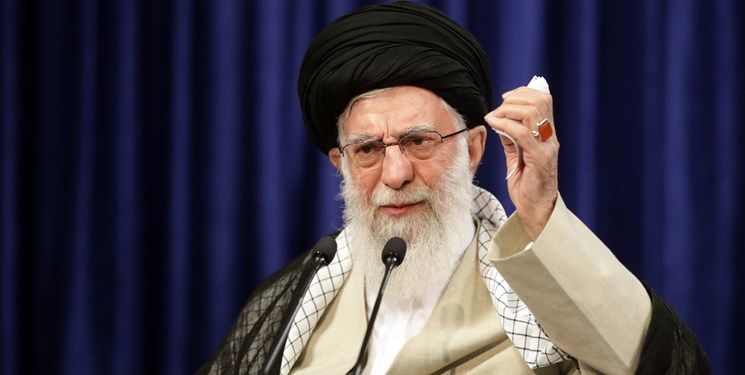
A member of the Expediency Council stated that one of the aspirations of the martyred Leader of the Islamic Revolution was the consultation of officials and key economic actors to propose solutions to the country’s economic problems through dialogue. He said that choosing economic slogans for naming the year meant that, in his view, the economy was the country’s most important issue and the foundation for solving many other problems.
Iran’s economy is facing simultaneous challenges of post-war reconstruction, financial constraints, and the need for structural reforms, at a time when the need for national consensus and effective dialogue among policymakers, the private sector, and economic elites is felt more than ever. The experience of various countries has shown that overcoming major economic crises is not possible without designing coherent mechanisms for decision-making, financing, and utilizing international opportunities. Within this framework, examining the strategic view of the martyred Leader of the Revolution on economic issues—from emphasizing production and investment to the necessity of interaction among key economic actors—can provide a clear picture of the path ahead for Iran’s economy; a path that has made reconstruction and sustainable growth the primary priority of policymaking.
In this regard, Davoud Danesh-Jafari, an economist, former Minister of Finance and Economic Affairs, and current member of the Expediency Council, in an interview with IRNA on the occasion of the funeral of Ayatollah Seyyed Ali Khamenei, the martyred Leader of the Islamic Revolution, explained his intellectual system in the economic fields, the details of which are as follows:
Q: We are in the days of funeral of the martyred leader of the Islamic Revolution; given the meetings and cooperation you had with the office of the martyr before your ministry, do you have any memories of those days, because it seems that economic issues were at the center of his attention throughout all these years.
A: Yes, before I became Minister of Finance in 2005 (1384), I worked as an economic advisor to his office. At that time, I prepared a report on the latest session of the World Economic Forum in Davos, Switzerland, and sent it to the Leader—an analytical report that examined the issues raised and the course of discussions at this meeting. The Davos summit is held by the World Economic Forum; a non-profit institution that manages one of the world’s most influential gatherings. The activity of this forum dates back to 1971. Initially, the focus of this meeting was on developing economic relations between Europe and America, especially during the post-World War II reconstruction era, but gradually its scope expanded beyond bilateral issues to major global political and economic topics.
Annual economic namings; a reflection of the Leader’s strategic concerns about production and livelihood
Q: A large part of the namings in recent years by the martyred leader has been directed towards economic issues; topics such as production, investment, employment, and strengthening the private sector. What message does this continuous focus carry about his strategic view of the economy? And why, from his perspective, had solving economic problems become the country’s primary priority?
A: What is important in this regard is that the Leader usually highlighted the most important concern and core issue of the country in that specific period through the annual slogan.
In fact, the annual slogan can be considered a formulation of the country’s strategic priorities. In other words, through naming the years, he would outline a general direction for the governance system—indicating which issue required more immediate attention from policymakers at that time. When slogans become economic, it means that from his perspective, the economy was the country’s most important issue and the foundation for solving many other problems.
Also, the necessity of holding regular meetings between elites and policymakers can be linked to the same idea raised about internal forums similar to Davos. In fact, the annual slogan can serve as a spark for initiating a national dialogue about the country’s most important issue. It is expected that after the announcement of the annual slogan, it is not merely limited to general statements, but rather the government, parliament, the private sector, universities, and other decision-making bodies come together and reach a consensus on the root causes of the issue and practical solutions.
If such a mechanism exists in a coherent manner, the annual slogan can go beyond a symbolic title and become an operational plan—a plan that has both clear objectives and a clear path for its realization. The repeated focus on production, investment, and the private sector shows that in the intellectual system of the Supreme Leader, the country’s economic development is not possible without strengthening national production and increasing the role of the private sector; of course, this development must be accompanied by economic justice and the protection of the interests of various segments of society.

ارسال دیدگاه
مجموع دیدگاهها : 0در انتظار بررسی : 0انتشار یافته : 0