Politic Archives | صفحه 10 از 176
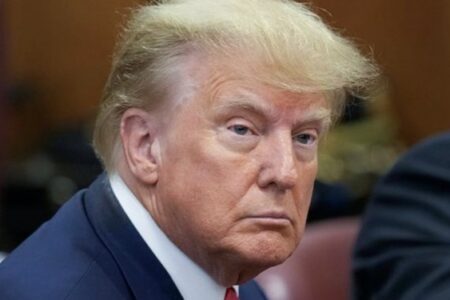
Trump’s threats to strike Iran’s water plants is a potential war crime, alarm Persian Gulf allies
After President Donald Trump floated on Monday the possibility of expanding the Iran war by potentially striking water treatment plants in Iran, some Persian Gulf Arab countries reiterated grave concerns to the Trump administration about any strikes on civilian infrastructure and the risk of an intensifying tit-for-tat escalation, according to four regional sources
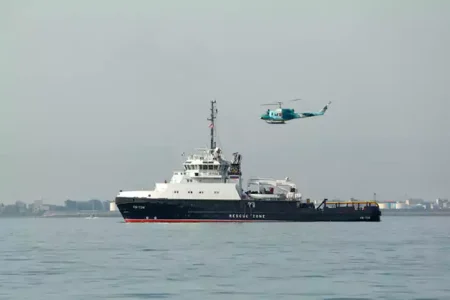
Strait of Hormuz is Iran’s geo-economic asset
A political economy analyst, emphasizing that the Strait of Hormuz is no longer merely a security tool or a military leverage point but rather a “geo-economic asset,” believes that Iran has borne the cost of securing, monitoring, and managing this vital waterway for decades without receiving a proportionate economic return from the global economy. The concept of “intelligent traffic management” represents a strategic maturity
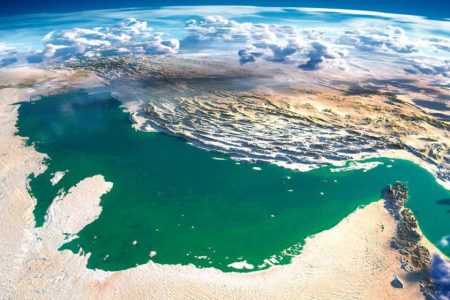
How US-Israeli war on Iran is breaking Persian Gulf economies
For decades, the Persian Gulf Cooperation Council (PGCC) states have sold the world a vision of gleaming metropolises, logistical hubs, and safe harbors for global capital. Yet, one month into the US-Israeli military campaign against Iran, that vision lies shattered
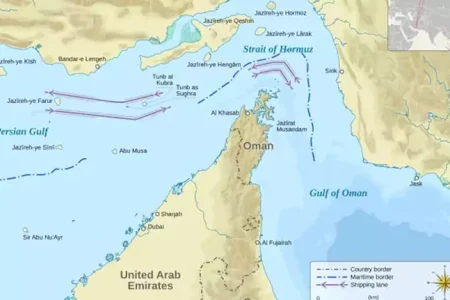
Iran has plans for other global corridors
When he was planning to attack Iran for the second time in less than nine months—and again in the middle of nuclear negotiations—U.S. President Donald Trump was warned about the potentially devastating consequences of the day after, according to reports by U.S. media
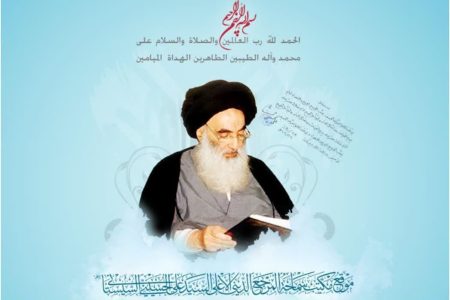
Ayatollah Sistani condemns military aggression against Iran
The office of Iraq’s top Shia cleric, Grand Ayatollah Sayyid Ali al-Sistani, has issued a statement regarding the ongoing U.S.-Israeli military aggression against Iran. Below is the text of the statement: In the Name of God, the Most Gracious, the Most Merciful The military aggression against Iranian territory has been ongoing for several days and […]
Tehran dismisses US pressure tactics, says ‘surrender’ not an option as Geneva talks loom
As Iran and the United States prepare for the third round of indirect nuclear talks in Geneva this week, Tehran is issuing a clear directive that any agreement must guarantee the nation’s established rights, and that pressure tactics will fail
Sanctions forge new path: Iran, Russia pivot to strategic energy alliance
The Vice Chairman of the Iranian Parliament’s Energy Committee, pointing to the development of oil fields and technology transfer between Iran and Russia, stated: Investment by Russian companies in Iran’s upstream projects, especially in gas and oil fields, in addition to providing financing, makes it possible to benefit from technical experience under sanctions
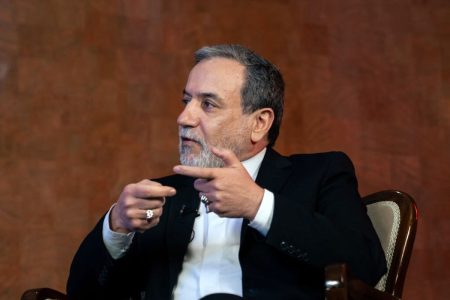
Iran will answer respect with respect, and force with force, Araghchi tells US media
In an interview with MS NOW, Iranian Foreign Minister Abbas Araghchi described ongoing talks with the U.S. as productive and dismissed the threat of force as a viable option
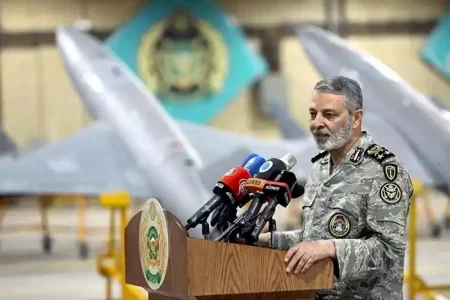
Any war would be a ‘cautionary battle’ for Trump, Iran’s military chief warns
Iran’s military leadership is showing the same resolve it showed in January, when it compelled U.S. President Donald Trump to abandon his plans for military strikes by making it clear that any aggression would result in a full-blown regional war
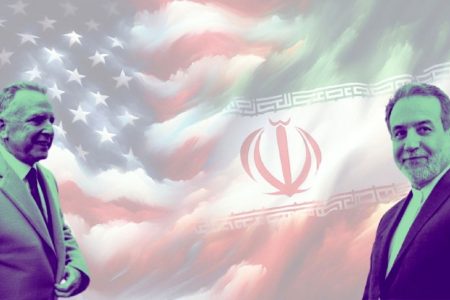
Iranian negotiator says US can have a nuclear deal with Tehran if it lifts sanctions
Iran is ready to consider compromises to reach a nuclear deal with the U.S. if the Americans are willing to discuss lifting sanctions, a senior Iranian diplomat has told the BBC