Politic Archives | صفحه 6 از 176
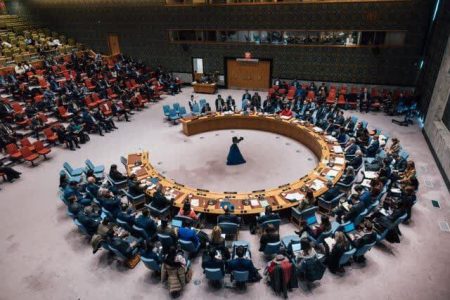
IAEA board passes anti-Iran resolution despite objections
The Board of Governors of the International Atomic Energy Agency (IAEA) on Wednesday adopted a resolution concerning Iran by 21 votes in favor, three against, and 10 abstentions, in a move Tehran and its allies described as politically motivated and detrimental to ongoing diplomatic efforts
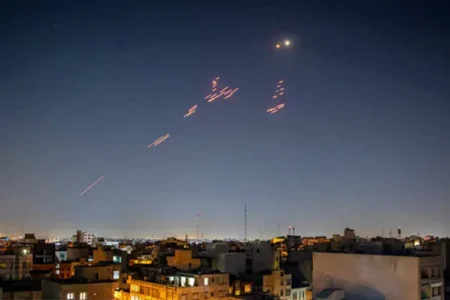
Iran pounds Israel’s Nevatim and Tel Nof airbases
The Islamic Revolution Guard Corps (IRGC) targets Israel’s Nevatim and Tel Nof airbases in retaliation in response to the regime’s strikes on Iranian radar sites
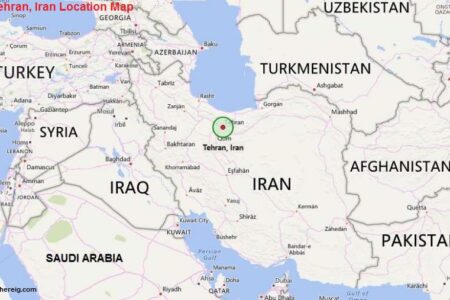
The old strait is gone, welcome to the new strait
Iran’s complete control over the Strait of Hormuz remains a thorn in the side of President Donald Trump amid the domestic political and economic fallout of a war that the United States and Israel jointly launched on Iran more than 100 days ago
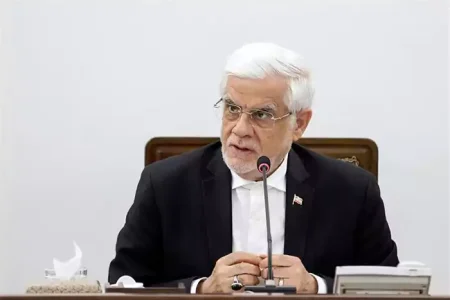
Aref: Iranian officials are fully aligned on negotiation
Iranian Vice President Mohammad Reza Aref has stressed that all senior officials are united on the country’s negotiating strategy, rejecting speculation about internal differences over the content or direction of ongoing diplomatic efforts
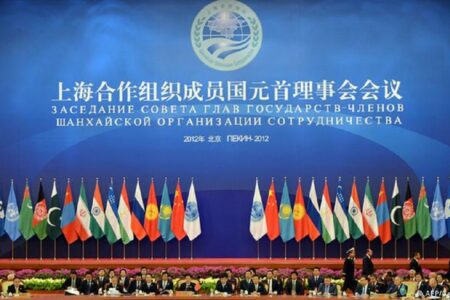
Iran calls on SCO to take firm stand against US-Israeli aggression
Iranian Interior Minister Eskandar Momeni has urged the Shanghai Cooperation Organization (SCO) to adopt a clear and decisive position against ‘recent US-Israeli military aggression against Iran,’ stressing that the organization must actively defend the sovereignty and territorial integrity of its member states
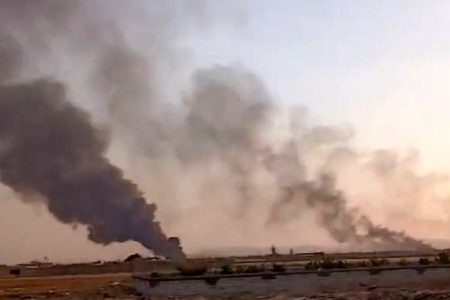
Retaliatory strikes on US bases reflect Iran’s firm response to continued aggression
Iran’s latest retaliatory attacks against American bases in the Persian Gulf region have highlighted the country’s seriousness and preparedness to counter aggression
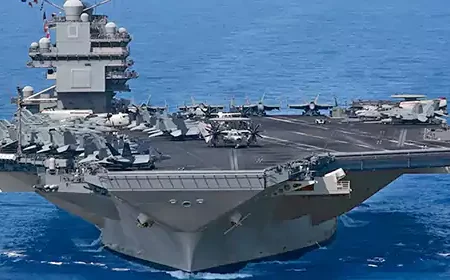
Iran’s Navy pushes American destroyers out of Sea of Oman
Iran’s Army said on Friday that several American warships operating in the Sea of Oman were forced to withdraw from the region after Iranian naval forces carried out warning strikes using cruise missiles and advanced drones

US aggression on Iran sparks gasoline crisis, record price hikes at home
Reuters report has revealed that US gasoline inventories are facing a near-record decline, sounding a stark alarm for fuel markets as seasonal demand peaks
IRGC unveils new missile-armed assault speedboat
The Islamic Revolution Guards Corps (IRGC) Navy unveiled its new “Rajab 27th” high-speed assault watercraft in Tehran on Saturday night
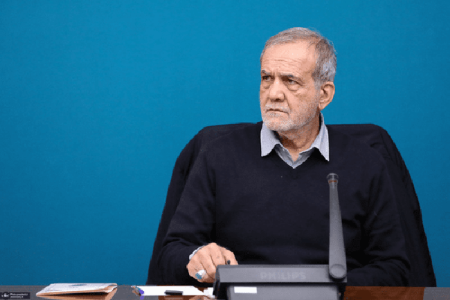
Pezeshkian: Iran’s active role in regional blocs reflects a strong commitment to economic developmen
ranian President Masoud Pezeshkian has said that the country’s active participation in major regional organizations, particularly the Eurasian Economic Union (EAEU), reflects Tehran’s serious determination to expand economic cooperation and promote sustainable development