Politic Archives | صفحه ۱۱ از ۱۷۸
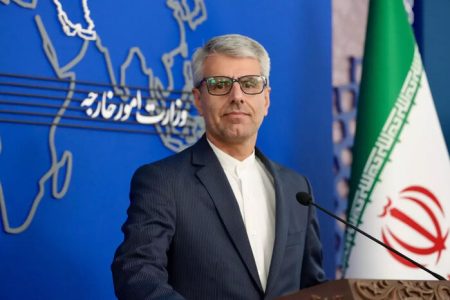
FM spox rejects AL’s claims against Iran
Foreign Ministry spokesman Esmaeil Baqaei has dismissed a recent statement by Arab League foreign ministers on Iran, urging the bloc to refrain from adopting positions shaped by the unilateral and unconstructive perspectives of certain member states

War on Iran shrouds global economic policy in deepening fog
The ongoing war between the US-Israel alliance and Iran has plunged global economic policymaking into deep uncertainty
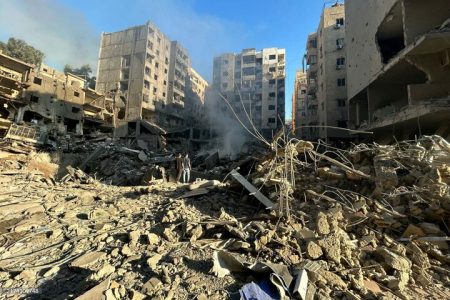
Israel and its lobby have means to make Trump dance to their tune, professor says
Israel and its enormously powerful lobby have the means to make President Trump “dance to their tune,” political scientist John Mearsheimer told Judge Andrew Napolitano on the “Judging Freedom” podcast on April 14, 2026
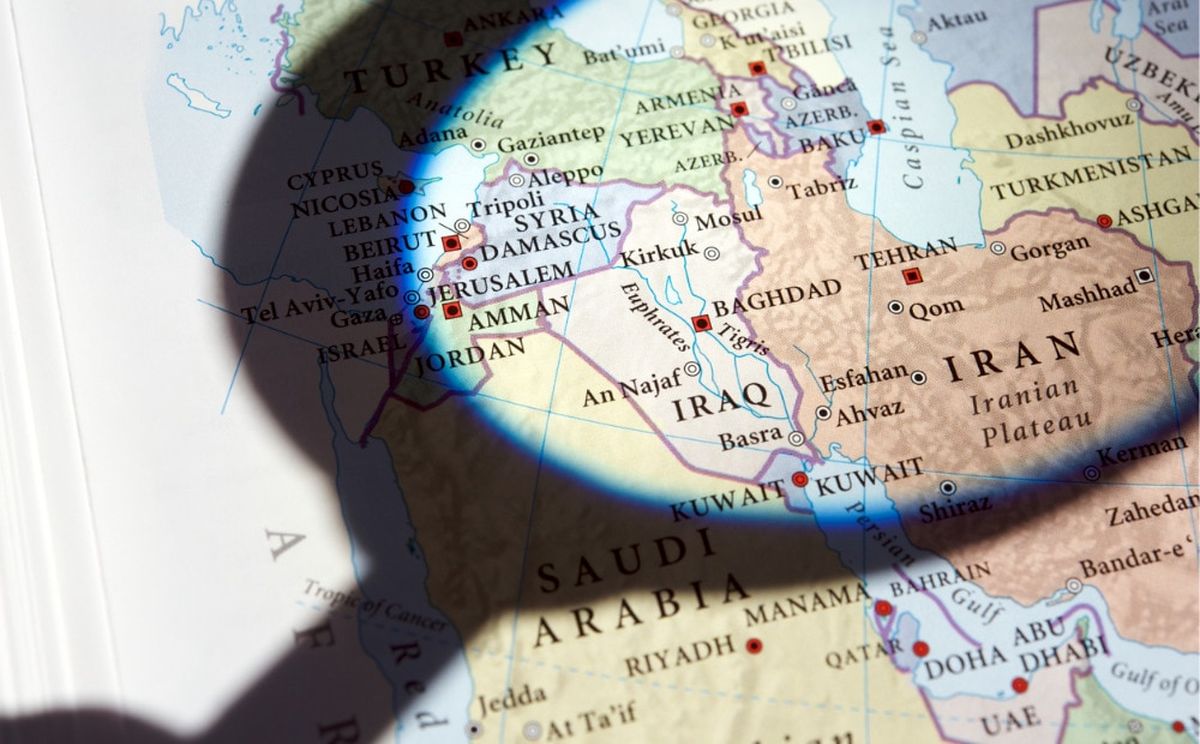
Resistance and power finally herald hope and permanent deal
Iranians woke up on Wednesday morning with the good news of a two-week ceasefire between Iran and the United States mediated by neighboring country of Pakistan
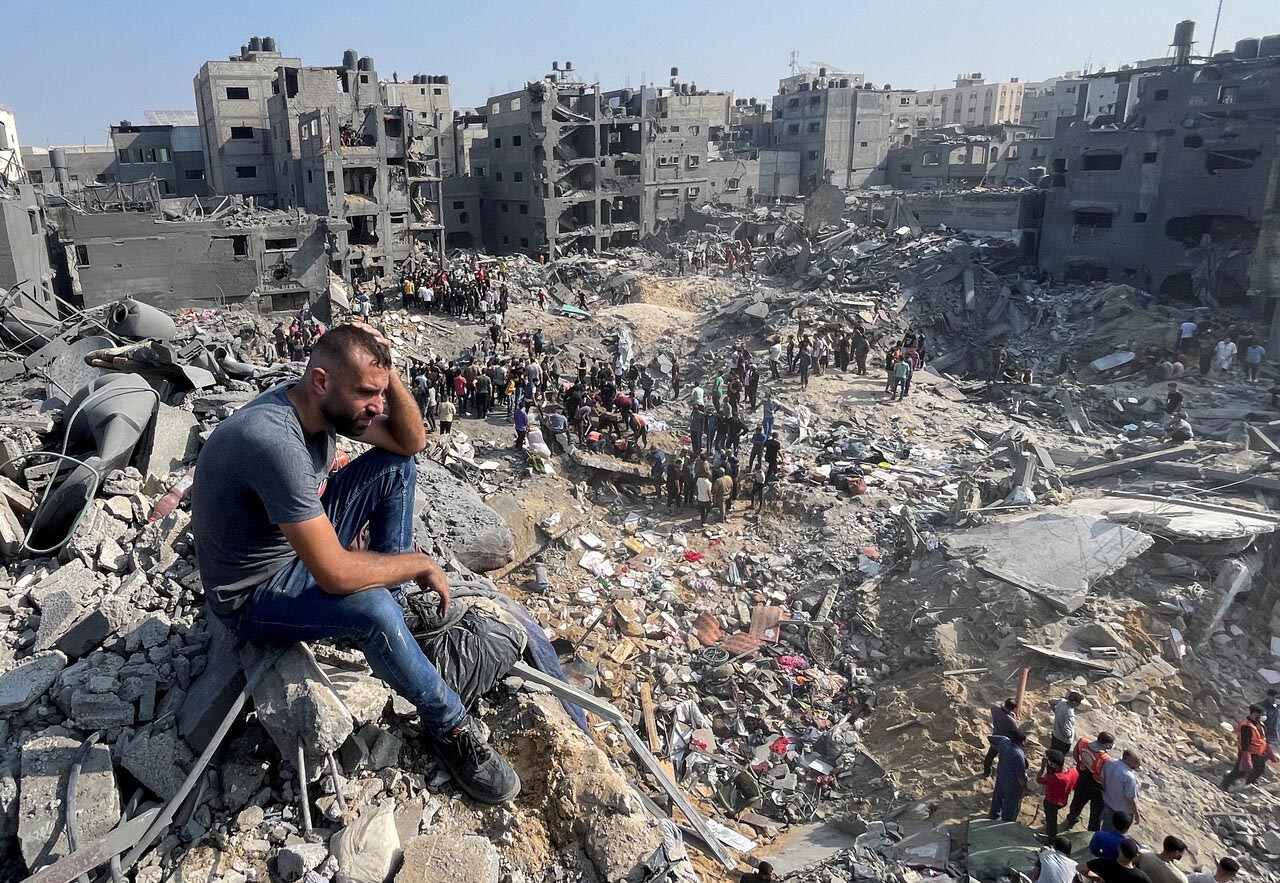
Israel violates ceasefire with brutal attacks on Lebanon; Iran closes Strait of Hormuz
Israel is openly violating the ceasefire reached between Iran and the United States by carrying out deadly attacks in Lebanon, despite the truce being intended to pause regional hostilities
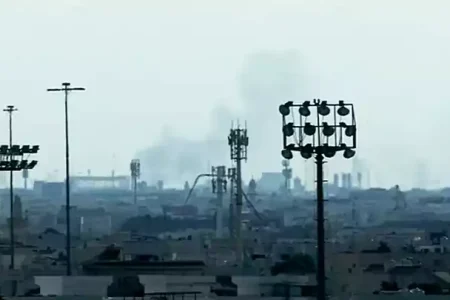
The war that ended the old Middle East
Five weeks after the United States and Israel started their unprovoked campaign of aggression against Iran on February 28, the Middle East stands transformed
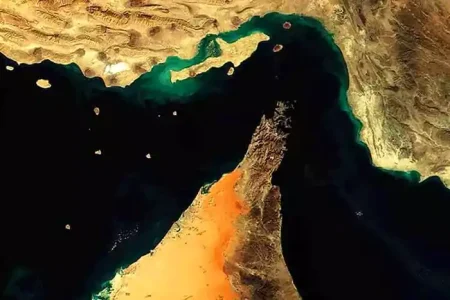
Strait of Hormuz leverage shakes global economies as energy crisis escalates
The management of the Strait of Hormuz by Iran has emerged as a powerful economic lever capable of reversing growth trajectories in major economies
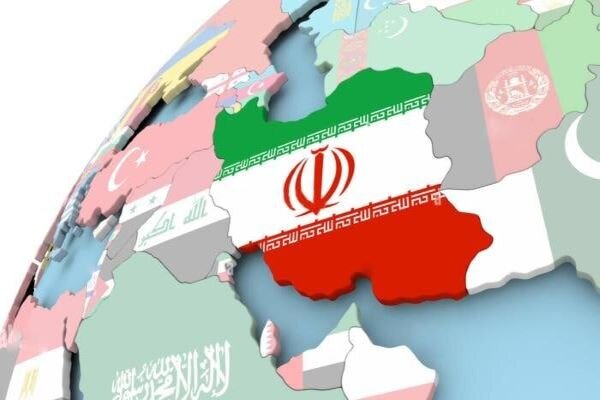
Stone Age? No, Mr. Trump! Your World Has Nothing to Do with Our Past or Present Civilization!
These days, the delusional President of the United States of America repeatedly declares in an insulting tone that he will bomb Iran “back to the Stone Age.” In a twenty-minute speech, in evening of April 1, 2026, he once again repeated this nonsense and added that he intends to return Iranians to the Stone Age, “to which they belong”! At first, I thought the news text was something like an April Fool’s joke
Trump’s threats to strike Iran’s water plants is a potential war crime, alarm Persian Gulf allies
After President Donald Trump floated on Monday the possibility of expanding the Iran war by potentially striking water treatment plants in Iran, some Persian Gulf Arab countries reiterated grave concerns to the Trump administration about any strikes on civilian infrastructure and the risk of an intensifying tit-for-tat escalation, according to four regional sources
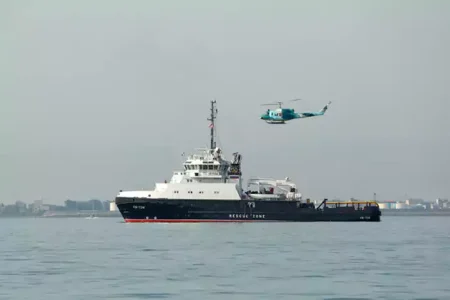
Strait of Hormuz is Iran’s geo-economic asset
A political economy analyst, emphasizing that the Strait of Hormuz is no longer merely a security tool or a military leverage point but rather a “geo-economic asset,” believes that Iran has borne the cost of securing, monitoring, and managing this vital waterway for decades without receiving a proportionate economic return from the global economy. The concept of “intelligent traffic management” represents a strategic maturity