Iran’s agricultural production reaches 137 million tons
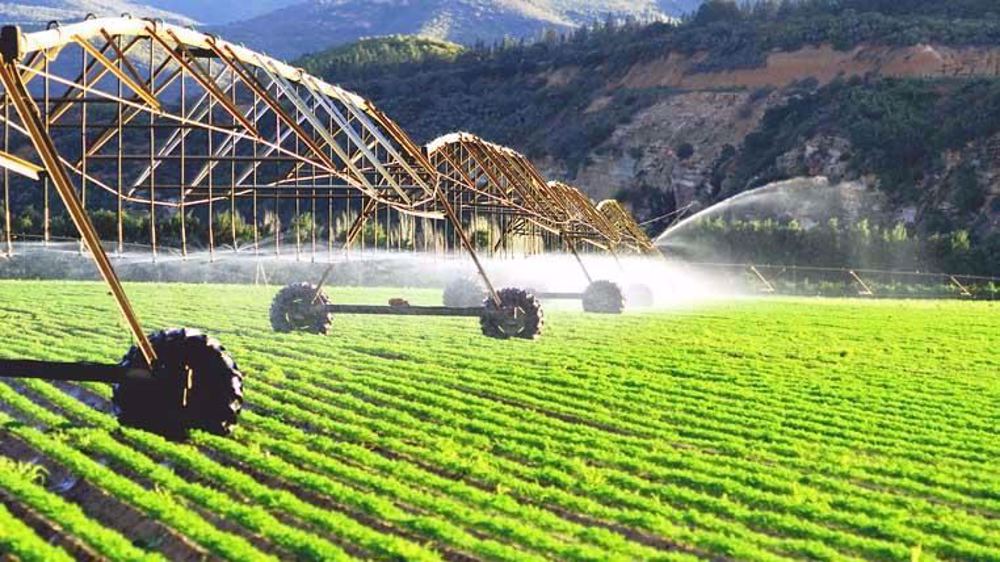
The Deputy Agriculture Minister for Cultivation Affairs stated that while the agricultural sector plays a fundamental role in ensuring the country’s food security, agricultural production has risen from approximately 130 million to 137 million tons despite drought, water resource constraints, sanctions, and existing imbalances.
According to IRNA, Majid Anjafi said in a meeting with the Governor of Kermanshah: “The country’s conditions and the limitations facing the agricultural sector highlight its importance and position more than ever before, and today food security is one of the key pillars of national security.”
He added: “Last year, we faced one of the most unprecedented drought periods in the last 50 years, while water resource limitations, sanctions, and imbalance-related issues also affected the agricultural sector. Nevertheless, the efforts of farmers, producers, experts, and managers led to an increase in agricultural production.”
Referring to the water resources available to the agricultural sector, Anjafi said: “According to the law of the development plan, by the end of the plan, about 65 billion cubic meters of water should be allocated to the agricultural sector. However, last year the Ministry of Energy announced 51 billion cubic meters for cultivation. Therefore, the agricultural sector has faced a significant reduction in water resources compared to the amount foreseen by law.”
Record production achieved despite severe water shortage
The Deputy Minister for Cultivation Affairs continued: “Despite these limitations, increased production has been achieved, which demonstrates the efforts of the entire agricultural sector to overcome difficult conditions and utilize existing capacities.”
He identified Kermanshah province as one of the country’s key and important provinces in agriculture and said: “The diversity and value of agricultural production in Kermanshah have given this province a special position, and the province’s improved ranking in the cultivation sector reflects part of its existing capacities.”
Anjafi, expressing gratitude to the provincial management and the entire Kermanshah Agriculture Organization, stated: “The support of the province’s top management for the agricultural sector can be very instrumental in advancing programs, and we expect the existing cooperation and support to continue.”
Referring to the Ministry of Agriculture’s plans to overcome the water crisis, he said: “At the national level, we are trying to find new ways to increase production and productivity by using past experiences, cooperating with research institutions, and implementing new projects.”
The Deputy Minister for Cultivation Affairs added: “We have defined a vision for the next five years, based on which, in addition to cereals, the development of oilseed production, various types of fodder, and medicinal plants will also be pursued, and better use will be made of existing capacities in these sectors.”
Technology, new wheat varieties, and a push for oilseeds
Emphasizing the role of technology and knowledge in increasing water productivity, Anjafi said: “Many products that were previously considered water-intensive are now being produced with less water using new methods, while yield per unit area has also increased.”
He added: “For example, in the past, producing wheat required about 7,000 cubic meters of water per hectare, but today, using new methods and cultivars, in some cases, higher yields are achieved with about half of that amount.”
ارسال دیدگاه
مجموع دیدگاهها : 0در انتظار بررسی : 0انتشار یافته : ۰