60 days after the MoU: Why has peace remained elusive, and what comes next?
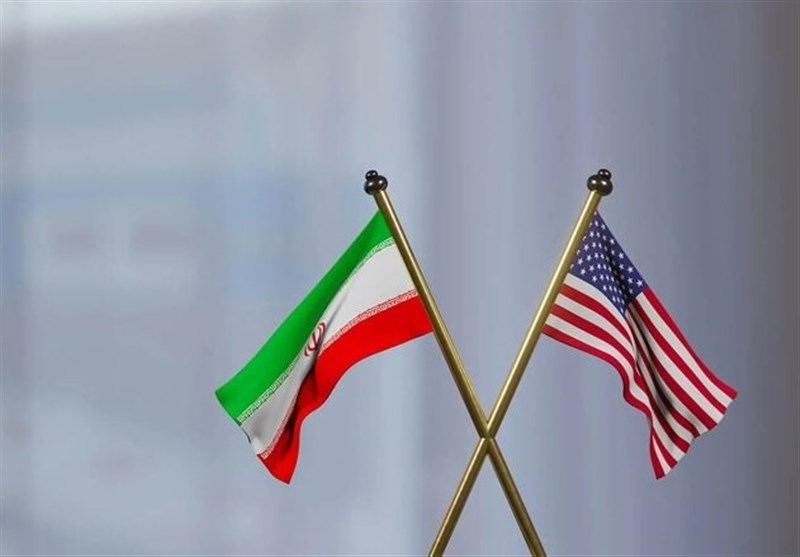
A memorandum of understanding (MoU) signed between Iran and the United States sixty days ago expired on Monday amid Washington’s repeated and systematic violations.
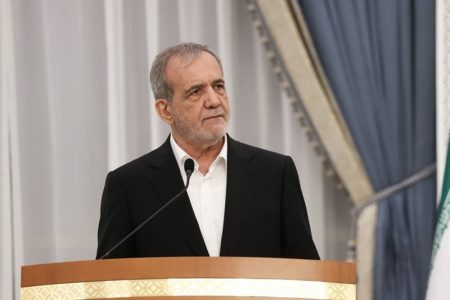
Iranian President Masoud Pezeshkian and US President Donald Trump signed the 14-point MoU on June 17, with the primary goal of paving the ground to permanently end the joint US-Israeli war launched on Iran on February 28.
Leaving Iran’s nuclear program to be dealt with in subsequent negotiations, the agreement stipulated an immediate end to military operations across all fronts, including Israeli attacks on Lebanon. In the first paragraph of the 14-point agreement, the United States explicitly committed that “The United States of America and the Islamic Republic of Iran and their allies in the current war are signing this MoU to declare the immediate and permanent termination of military operations on all fronts, including in Lebanon.” Furthermore, the deal required an Israeli withdrawal from southern Lebanon.
It also allowed commercial vessels to transit “with no charge” for 60 days under Tehran’s coordination, and reaffirmed that it would not seek nuclear weapons while agreeing to negotiate enrichment details in a final deal backed by the UN Security Council within a maximum 60-day period—extendable by mutual consent—the US promised major obligations.
Specifically, Washington was required to end its naval blockade within 30 days, remove its military forces from near Iran once the final deal was reached, terminate all sanctions against Iran, issue waivers for Iranian oil exports, allow Tehran immediate access to its frozen assets, and begin work on a reconstruction and development package for Iran worth at least $300 billion.
However, despite Iran’s complete adherence to its diplomatic undertakings, Washington repeatedly violated the agreement through continued military and political support for Israeli aggression. Israel persistently breached the agreement with active US backing, while the US failed on every single promise, refusing to release frozen Iranian assets, lift sanctions, provide oil waivers, remove its naval blockade, or enforce an Israeli withdrawal from southern Lebanon. In fact, Trump publicly scoffed at the very idea of paying Iran for reconstruction. The betrayal culminated on July 7 when Trump unilaterally declared that the agreement was “over,” prompting the US to resume launching military attacks against Iran that directly targeted civilian infrastructure and killed dozens of innocent people. In response to these egregious violations, Iranian officials stated that because the US had “violated and suspended” all of its commitments, Tehran had “likewise suspended commitments” under the MoU.
Rather than engaging in good-faith diplomacy, Trump had signed the MoU primarily to lower surging oil prices and defuse widespread domestic criticism surrounding his notorious war on Iran. It is widely understood that Trump launched the war on February 28 based on false assurances from Israeli Prime Minister Benjamin Netanyahu and his Mossad spy agency, who promised that military action would quickly lead to the collapse of the Islamic Republic and destroy Iran’s military capabilities. None of this occurred.
Instead, the war severely exposed the vulnerability of the US military, demonstrated its complete failure to protect its regional allies, and highlighted Iran’s undeniable military strength. While the February 28 war had been temporarily paused by a Pakistani-mediated ceasefire on April 8—which Trump was prompted to announce following Iran’s powerful retaliatory strikes against Israel and American military bases in the region—Washington failed to learn from its miscalculations and instead intensified its hostile rhetoric.



ارسال دیدگاه
مجموع دیدگاهها : 0در انتظار بررسی : 0انتشار یافته : 0