Some Vegetables That Help Your Body Use Insulin Better, According to Dietitians
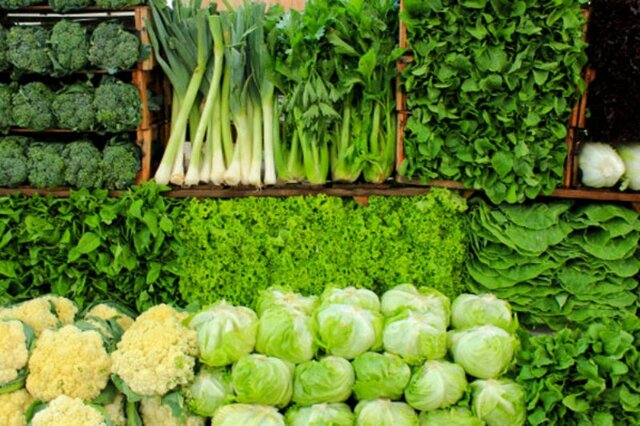
When it comes to keeping blood sugar steady, adding more vegetables to your plate is a solid place to start. But some veggies may have a little more going for them than others.
Fiber-rich and cruciferous vegetables, in particular, may help your body respond better to insulin—the hormone that moves glucose from your bloodstream into your cells for energy. In fact, research has linked higher intakes of green leafy and cruciferous vegetables with a lower risk of developing type 2 diabetes.1
1. Broccoli
Broccoli is high in fiber, which helps slow down digestion and the absorption of carbohydrates.2 But its potential blood sugar benefits may go beyond fiber.
2. Brussels Sprouts
Brussels sprouts belong to the same cruciferous family as broccoli, so they contain many of the same potentially beneficial plant compounds.
3. Kale and Other Leafy Greens
Kale, collard greens, and other dark leafy greens deliver plenty of fiber without a large amount of carbohydrates. Reeder recommended cooked greens in particular because cooking reduces their volume, making it easier to eat a more concentrated serving of fiber and other nutrients.
They’re also magnesium-rich greens, which is a mineral involved in insulin signaling and glucose metabolism, Reeder said.
4. Green Peas and Edamame
Peas and edamame sometimes get overlooked because they contain more carbohydrates than many non-starchy vegetables. But that doesn’t make them a poor choice for blood sugar.
“People often skip these because they contain carbohydrates, but their high concentration of soluble fiber and plant protein stabilizes blood sugar by slowing the rate at which those carbs break down and enter the bloodstream,” Reeder said.
5. Butternut Squash
Butternut squash is another higher-carb vegetable that doesn’t need to be off-limits.
Winter squash contains pectin, a type of soluble fiber that forms a gel-like substance during digestion. According to Reeder, this can slow carbohydrate breakdown and help glucose enter the bloodstream more gradually.




ارسال دیدگاه
مجموع دیدگاهها : 0در انتظار بررسی : 0انتشار یافته : ۰