Health Archives | صفحه 31 از 58
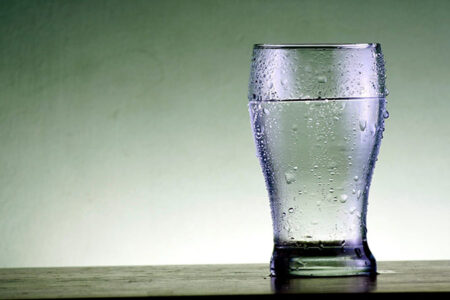
What Are the Risks and Benefits of Drinking Cold Water
There’s no evidence that drinking cold water is bad for your health. Both cold and room-temperature water will keep you hydrated. Drinking warm water has its own benefits, such as helping digestion and toxin removal
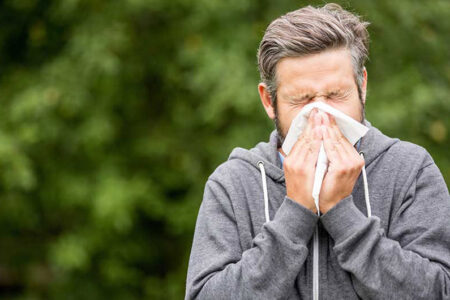
Some Natural Antihistamines to Help with Allergies
Seasonal allergies can be difficult to manage. Common treatments typically include over-the-counter drugs, but natural antihistamines can also be a great option. Examples include butterbur, vitamin C, and quercetin
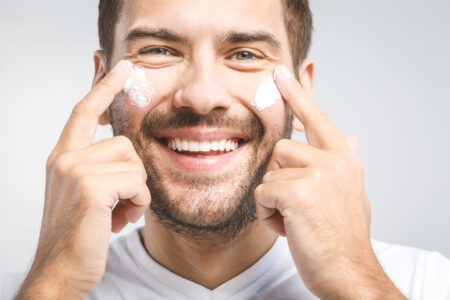
Some must know do’s and don’ts of using sunscreen
Let’s face it: sunscreen is a non-negotiable part of any skincare routine

How to Sleep Better in Hot Weather, According to Sleep Experts
High temperatures can disrupt your sleep, which in turn can harm your overall health
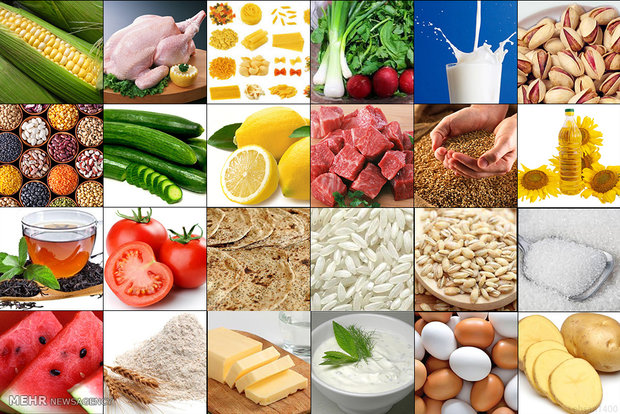
What to Eat on Your Period: Foods to Eat and Avoid
Menstrual periods often come with many uncomfortable symptoms, such as bloating, cramping, back pain, and fatigue.1 It is also common to experience food cravings before and during your period
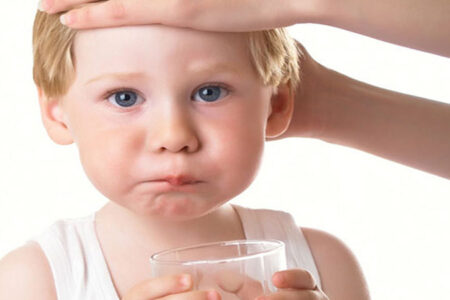
10 Warning Signs of Dehydration You Need To Know
Dehydration is a condition that occurs when your body loses more fluids than it takes in. It can happen due to various reasons such as excessive sweating, insufficient water intake
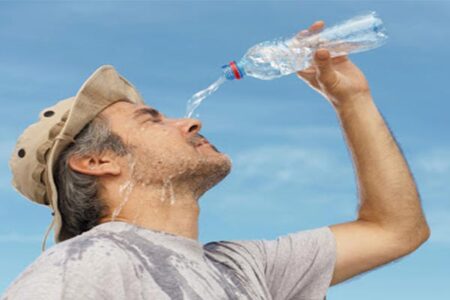
These 6 Health Risks Can Significantly Increase on Hot Days
Heart attack, stroke, and several other health risks can increase significantly on hot summer days

Your Dishes May Not Be as Clean as You Think
Cleaning your dishes properly can help prevent foodborne illnesses in the kitchen
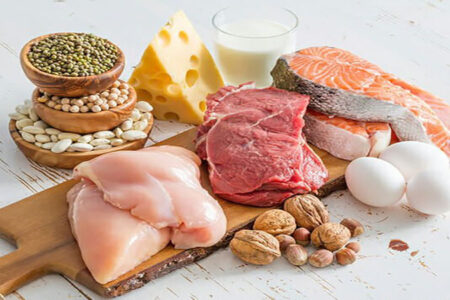
6 Signs and Symptoms of Protein Deficiency
Some signs and symptoms of protein deficiency include edema, hair loss, increased hunger, and more severe infections, among others
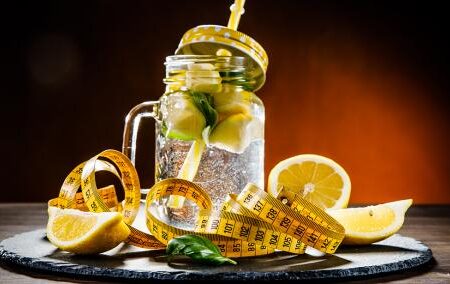
Do Detox Diets and Cleanses Really Work?
Your body is capable of cleansing itself without detox diets. However, other aspects of cleanses, including eating nutritious whole foods, may have benefits