What Causes Breast Cancer
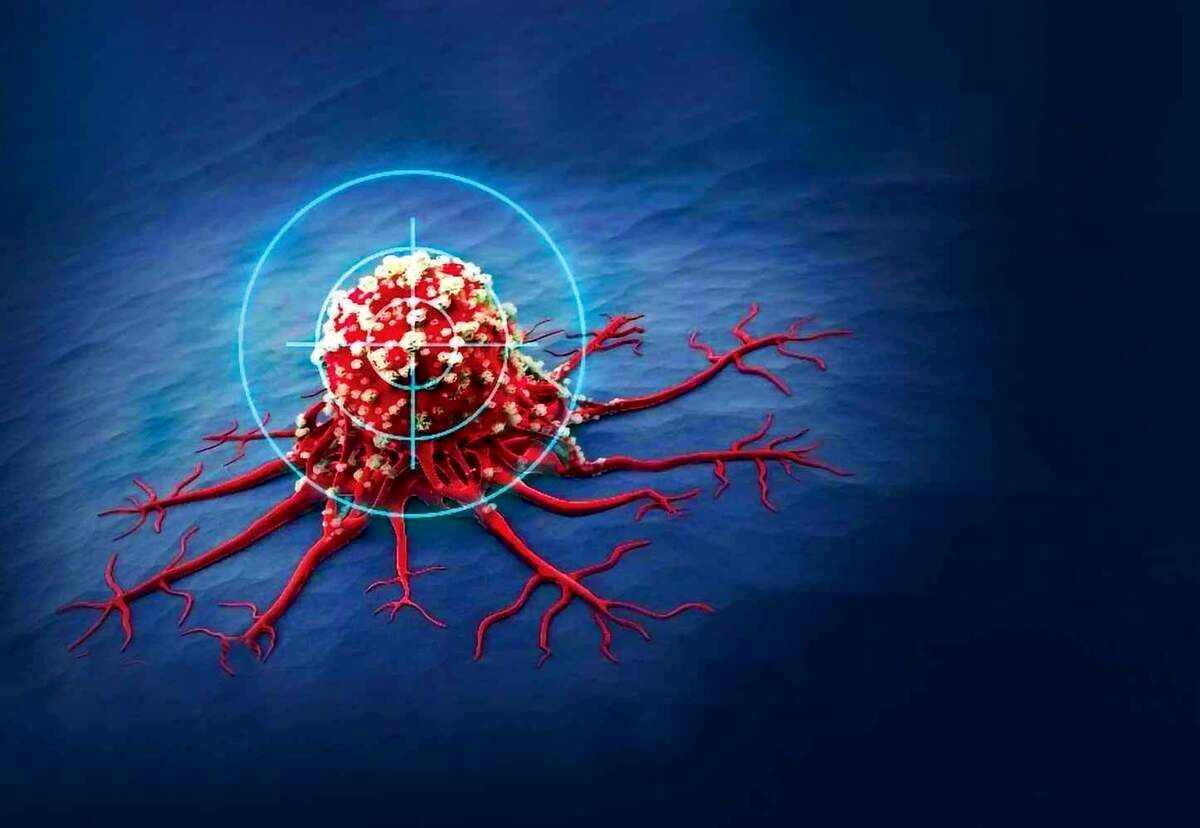
Breast cancer is caused by gene mutations to the DNA in breast cells. Exactly what triggers this change is unknown.
What is known is that there are risk factors that may increase your chances of getting breast cancer. Some of them, like age, family history, and dense breasts, can’t be changed. Others are determined by lifestyle factors that can often be controlled.
In the United States, it’s estimated that around 30% of new cancer diagnoses in women will be breast cancer, according to the American Cancer Society (ACS). This makes early detection — and possible prevention — very important.
What do we know about the cause of breast cancer?
Breast cancer originates in breast tissue and is caused by changes, or mutations, in breast cell DNA. These mutations cause cells to grow abnormally and divide quicker than healthy cells do. The abnormal cells accumulate, forming a malignant (cancerous) breast mass, also known as a lump.
Your immune system may be able to successfully fight some abnormal cells. But the ones that continue to grow may spread or metastasize throughout the breast to the lymph nodes or other parts of the body.
When breast cancer spreads, the malignant tumors it causes in other places are still referred to as breast cancer.
What exactly triggers DNA changes in breast cells isn’t clear. Two people can have the same or similar risk factors, but only one might develop breast cancer.
What are the risk factors for breast cancer?
Age is the most significant risk factor for breast cancer. Most breast cancer cases are diagnosed in people at a median age of 62 years old.
But your genetics and external factors, like smoking, also have an impact. Genetic risk factors can’t be changed, but lifestyle choices that put you at higher risk can be altered.
It’s also likely that genetic and environmental risk factors impact many people when several are present.
Genetic risk factors
Sex
People assigned female at birth are at a significantly higher risk of getting breast cancer than those not.
According to the Centers for Disease Control and Prevention (CDC), only about 1 in every 100 cases of breast cancer diagnosed in the United States is in a man.
Heredity
You can inherit a gene mutation that puts you at higher risk for breast cancer from either biological parent. About 5% to 10% of all breast cancer cases are caused by hereditary gene mutations. The most common type is a mutation in the BRCA1 or BRCA2 gene.
Your risk for breast cancer increases to 60% if you have a harmful BRCA1 or BRCA2 gene mutation. Your risk for ovarian cancer is also increased.
Family history
Menstruation and menopause
Lifestyle risk factors
Smoking
Environmental exposure to toxins
Diet
Obesity
Hormone-based medications




ارسال دیدگاه
مجموع دیدگاهها : 0در انتظار بررسی : 0انتشار یافته : ۰