Over 830,000 tons of steel beam produced in 9 months
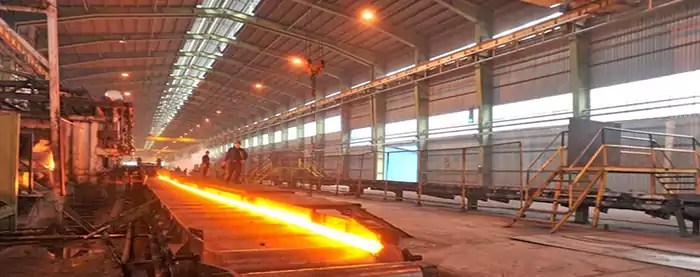
As reported by the Iranian Steel Producers Association (ISPA), 834,000 tons of steel beam was produced in the first nine months of the current Iranian calendar year (March 21-Decemebr 21, 2025).
The ISPA report shows that the production of steel beam has decreased by 21.6 percent in the nine-month period, as compared to the same period of time in the previous year, when the country produced 1.064 million tons of the product.
A steel beam is a fundamental structural component, essential to modern construction and engineering. Its primary function is to support heavy loads over long spans, resisting bending and shear forces to form the skeletal framework of buildings, bridges, and industrial structures.
The most common types are I-beams and H-beams (wide-flange beams), named for their cross-sectional shape resembling the letters “I” and “H.” This design is highly efficient, concentrating material in the top and bottom flanges to resist bending, with a vertical web connecting them to handle shear forces. This shape provides maximum strength with minimal material weight.
Beams are characterized by their depth, weight per meter, and load-bearing capacity. They are manufactured through hot-rolling, where steel is shaped at high temperatures, or built up by welding plates for custom, heavy-duty applications. The steel used is often carbon steel or high-strength low-alloy (HSLA) steel.

ارسال دیدگاه
مجموع دیدگاهها : 0در انتظار بررسی : 0انتشار یافته : ۰