انگلیسی Archives | صفحه 16 از 401
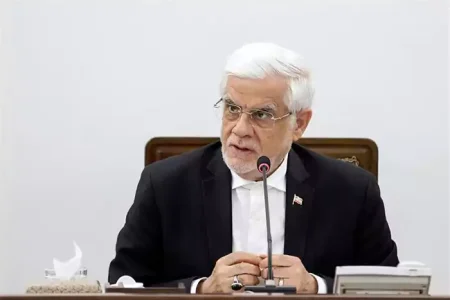
Aref: Iranian officials are fully aligned on negotiation
Iranian Vice President Mohammad Reza Aref has stressed that all senior officials are united on the country’s negotiating strategy, rejecting speculation about internal differences over the content or direction of ongoing diplomatic efforts
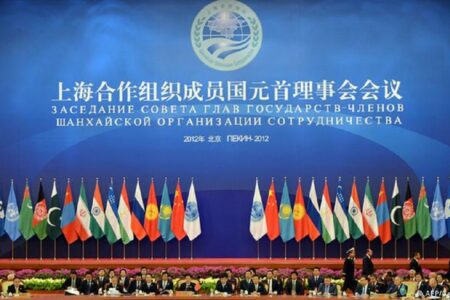
Iran calls on SCO to take firm stand against US-Israeli aggression
Iranian Interior Minister Eskandar Momeni has urged the Shanghai Cooperation Organization (SCO) to adopt a clear and decisive position against ‘recent US-Israeli military aggression against Iran,’ stressing that the organization must actively defend the sovereignty and territorial integrity of its member states
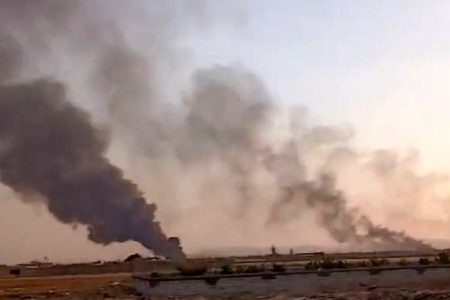
Retaliatory strikes on US bases reflect Iran’s firm response to continued aggression
Iran’s latest retaliatory attacks against American bases in the Persian Gulf region have highlighted the country’s seriousness and preparedness to counter aggression
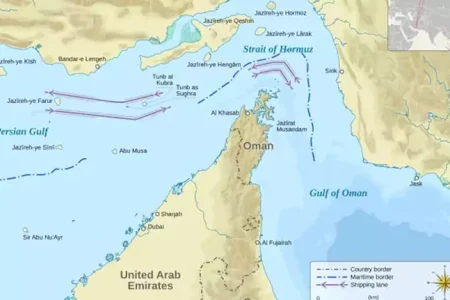
‘Iran must define a new legal, economic regime for Strait of Hormuz’
An economic analyst believes: The opportunity that has arisen today in the shadow of Iran’s exercise of sovereignty over the Strait of Hormuz must be pursued within the framework of a legal and economic regime appropriate to the region’s security and strategic conditions in order to consolidate Iran’s sovereignty over this waterway
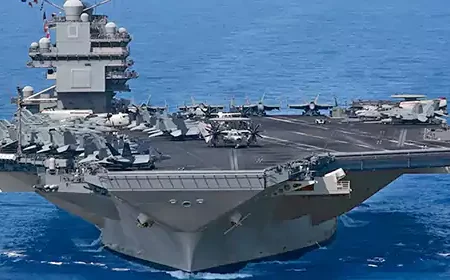
Iran’s Navy pushes American destroyers out of Sea of Oman
Iran’s Army said on Friday that several American warships operating in the Sea of Oman were forced to withdraw from the region after Iranian naval forces carried out warning strikes using cruise missiles and advanced drones

US aggression on Iran sparks gasoline crisis, record price hikes at home
Reuters report has revealed that US gasoline inventories are facing a near-record decline, sounding a stark alarm for fuel markets as seasonal demand peaks

Rainfall increases by 2.9% compared to long-term average
Since the beginning of the current Iranian year, March 21, till May 30, the country has received 225.4 mm of rain, indicating an increase of 2.9 percent compared to 218.9 mm of rain recorded in the long term, according to the Meteorological Organization

Economic fallout of US-Israel attack on Iran sparks chaos in global debt markets
The US-Israel military offensive against Iran has sent shockwaves through global bond markets, triggering extreme volatility in government borrowing costs throughout May and inflicting heavy losses on investors

IRGC unveils new missile-armed assault speedboat
The Islamic Revolution Guards Corps (IRGC) Navy unveiled its new “Rajab 27th” high-speed assault watercraft in Tehran on Saturday night

Iran war costs US households nearly $450 in extra fuel expenses
American households have paid nearly $450 more on energy-related expenses since the outbreak of the Iran war, according to a Moody’s Analytics analysis shared exclusively with CNBC