Economy Archives | صفحه 4 از 142
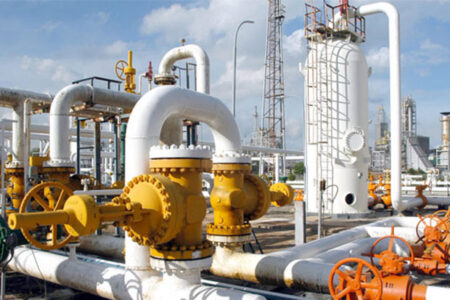
Iran’s oil delivery to customers continues: oil minister
The Oil Minister stated that the process of selling crude oil outside Iran’s territorial waters and in distant waters, as well as delivering it to customers, is still ongoing
Confronting economic pressures, supporting
The Minister of Economic Affairs and Finance stated that a significant portion of the current problems dates back to pre-war conditions, although today’s economic issues cannot be oversimplified or analyzed with a “two-plus-two-equals-four” logic
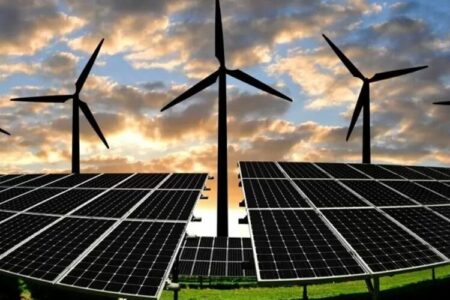
IDRO, SATBA pledge closer ties to boost renewable energy development
A meeting was held between the Deputy Minister of Industry, Mining, and Trade and Chairman of the Industrial Development and Renovation Organization of Iran (IDRO)’s Board of Directors, and the Deputy Minister of Energy and Head of the Renewable Energy and Energy Efficiency Organization (SATBA), with the aim of strengthening joint cooperation and accelerating the implementation of renewable energy projects

NISOC signs 30 investment contracts to boost production, reduce flaring
The Director of Investment and Business Development of the National Iranian Oil Company said: With the aim of increasing production, reducing gas flaring, and developing operational capacities, more than 30 investment contracts have been signed in National Iranian South Oil Company (NISOC). According to SHANA quoting the NISOC, Amir Moghiseh, during a visit to the […]
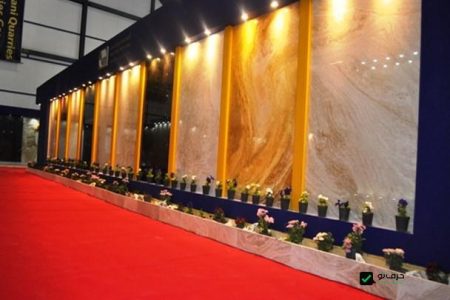
Intl. construction expo: A showcase of resilience, untapped cooperative potential
The 26th International Exhibition of the Construction Industry was held during August 18-21 in various sectors, including building materials, equipment and machinery, doors and windows, elevators and escalators, mechanical and electrical installations, smart systems, safety equipment, architecture and modern designs, and knowledge-based products
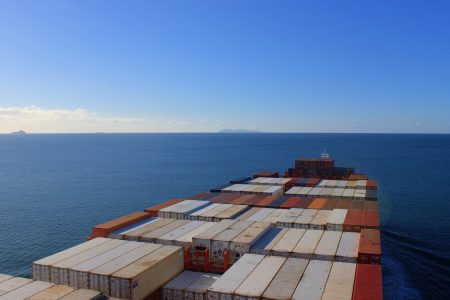
Iran’s trade diplomacy surges with expansion of commercial attaché network
The Director General of the West Asia Office at Iran’s Trade Promotion Organization (TPO), elaborating on the organization’s major achievements in the years 1403 and 1404 (2024–2025) announced unprecedented records in attracting trade delegations and developing export infrastructure
Iran, Belarus to expand agricultural cooperation
Iran’s Deputy Agriculture Minister for planning and Economy Affairs met with the Minister of Agriculture and Food of Belarus, emphasizing the development of bilateral cooperation in the fields of agricultural fertilizers, machinery, and joint investment
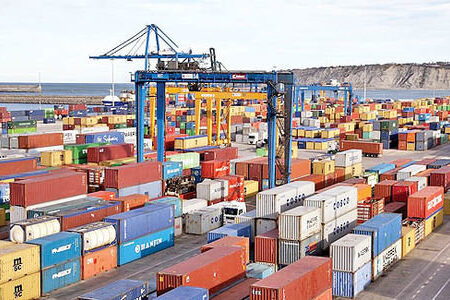
Non-oil export stands at $15b in near 5 months
The head of Iran’s Customs Administration said: Non-oil exports from the beginning of this Iranian year (March 21) until August 16 have reached nearly $15 billion, and imports have reached $17 billion, although compared to the same period last year, there has been an average decline of 24 percent
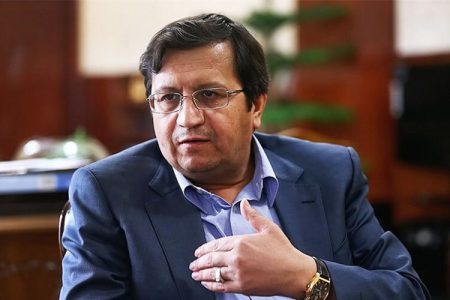
CBI governor consults in Iraq on financial claims, technical co-op, strategic economic ties
On the second day of his visit to Iraq, Abdolnaser Hemmati, the Governor of the Central Bank of Iran (CBI), met and held talks with Faleh Sari, Iraq’s Minister of Finance, regarding outstanding financial claims, as well as technical and economic cooperation
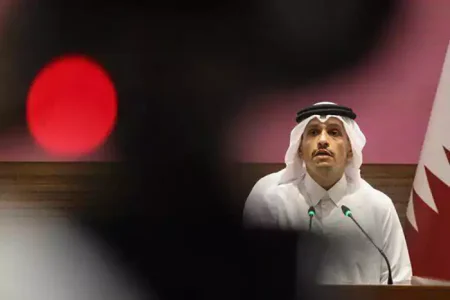
Military official: Three Iranian pilots held captive in Qatar for nearly six months
An Iranian military official said on Saturday that three Iranian pilots were captured alive by Qatari forces after their Su-24 fighter jets went down during retaliatory strikes against US bases nearly six months ago