What Happens to Your Body on a Low Sodium Diet
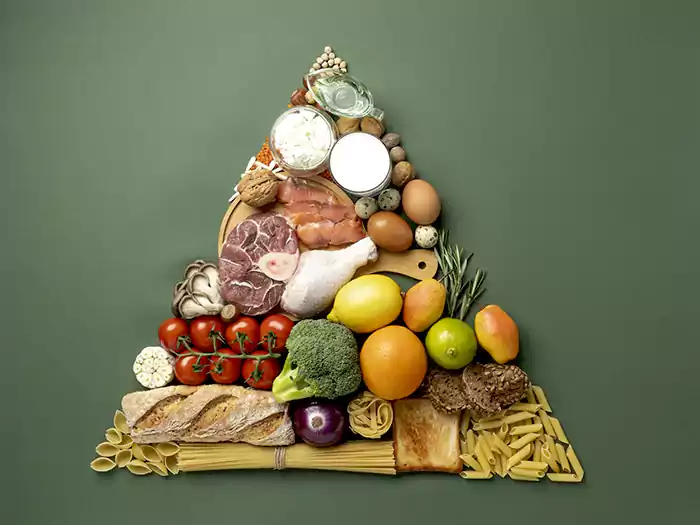
Sodium is an essential mineral for your body, but many Americans consume too much. A low-sodium diet is often advised for conditions like high blood pressure or kidney disease.
۱. Your Blood Pressure Improves
A study found that a low-sodium diet lowered blood pressure in just one week, regardless of starting blood pressure. Participants saw greater reductions compared to a high-sodium diet.1
۲. Your Heart Health Gets a Boost
Research suggests lowering sodium intake may help prevent heart failure by reducing blood pressure. The ideal sodium level for heart health is still debated, as individual sensitivity to sodium varies.2
۳. Your Kidney Health Gets Better
Your kidneys regulate sodium, but high levels can be harmful, especially with kidney disease. A low-sodium diet may help slow chronic kidney disease (CKD) and prevent end-stage renal disease (ESRD) by lowering blood pressure.3
۴. Your Diabetes Risk May Decrease
High sodium intake may increase the risk of developing diabetes.
۵. Your Stroke Risk May Drop
Evidence shows high sodium intake may raise stroke risk. A large study found that those consuming less than 1,500 mg daily had the lowest stroke risk, while those consuming 4,000 mg or more had the highest risk.5
۶. Your Bone Health May Improve
Sodium impacts calcium balance and bone health. High sodium intake can cause excess calcium loss, leading to increased bone loss and osteoporosis risk, especially if calcium intake is low.6
۷. Your Fluid Retention Gets Better
Too much sodium can cause your body to retain extra fluid, increasing the risk of high blood pressure. Since water follows sodium, cutting sodium intake helps reduce fluid retention.7
۸. Your Weight Management May Get Support
Some research suggests a low-sodium diet may aid weight management. In one study, people on a low-sodium diet for two months lost weight and lowered their BMI, likely due to fluid loss rather than fat loss.8


ارسال دیدگاه
مجموع دیدگاهها : 0در انتظار بررسی : 0انتشار یافته : ۰