Iran will answer respect with respect, and force with force, Araghchi tells US media
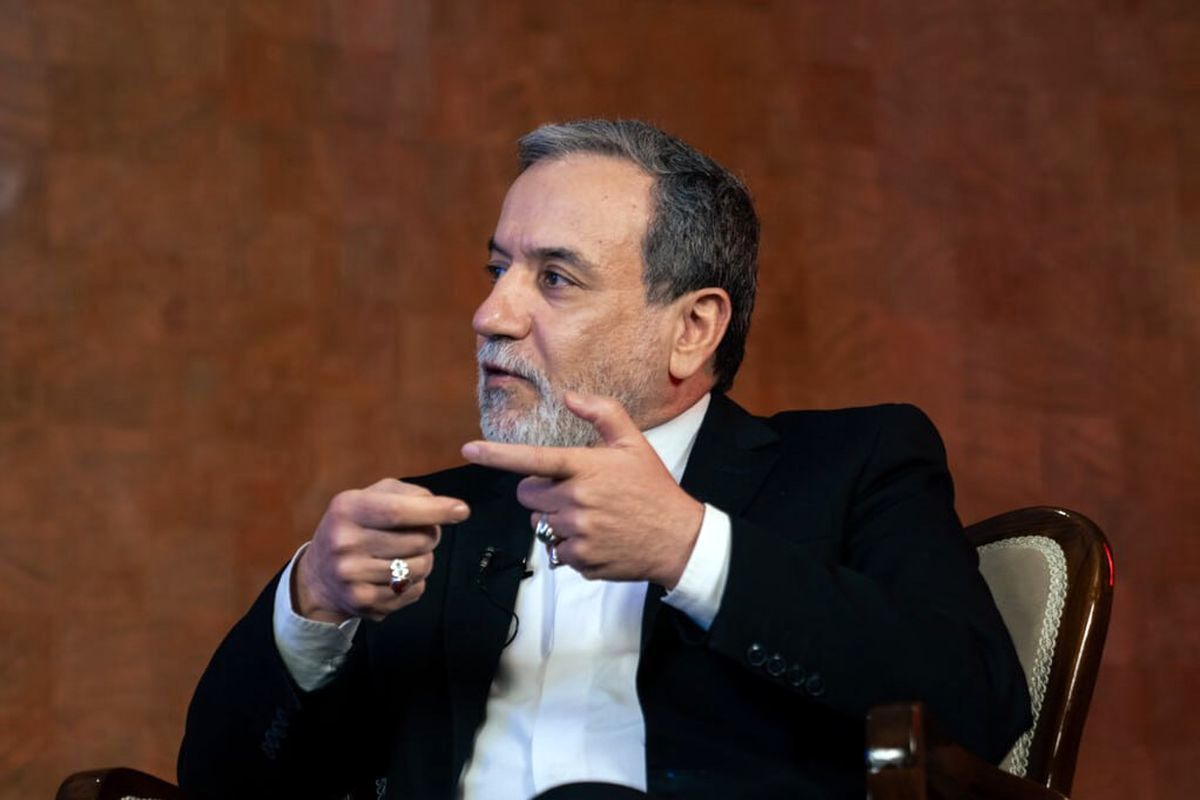
In an interview with MS NOW, Iranian Foreign Minister Abbas Araghchi described ongoing talks with the U.S. as productive and dismissed the threat of force as a viable option. Araghchi said on Monday that a draft of a potential nuclear agreement with the United States would be ready within days, signaling that a diplomatic resolution to the long-standing standoff may be within reach. In an interview with MSNBC, Araghchi described recent talks in Geneva as productive, saying both sides had agreed on a set of principles to guide negotiations. He said Iranian officials were now preparing a draft text to present to the U.S. negotiating team, led by Steve Witkoff.
“It won’t take much time,” Araghchi said. “Perhaps within a week, a little more, we can start serious negotiations on the text and reach a conclusion.” The foreign minister stressed that any agreement must be a “win-win” solution, under which the United States receives guarantees about the peaceful nature of Iran’s nuclear program, and Iran receives verifiable relief from the economic sanctions that have weighed heavily on its economy.
He dismissed suggestions that the United States was demanding a permanent halt to Iran’s uranium enrichment activities, calling such reports inaccurate. Instead, he described the discussions as focused on technical measures, with input from the International Atomic Energy Agency (IAEA), that could provide the necessary assurances to all sides.
“We are now talking about how to ensure that Iran’s nuclear program, including enrichment, is peaceful and will remain peaceful forever,” he said. Throughout the interview, Araghchi returned to a central theme: that military action against Iran’s nuclear infrastructure would fail, and that diplomacy is the only workable path forward. He pointed to past attacks on Iranian facilities and the assassination of Iranian scientists as evidence that coercion does not work. “They could not destroy our nuclear program,” he said. “This program has been developed by our own hands and by our scientists. It cannot be destroyed by bombing or military action.”


ارسال دیدگاه
مجموع دیدگاهها : 0در انتظار بررسی : 0انتشار یافته : ۰